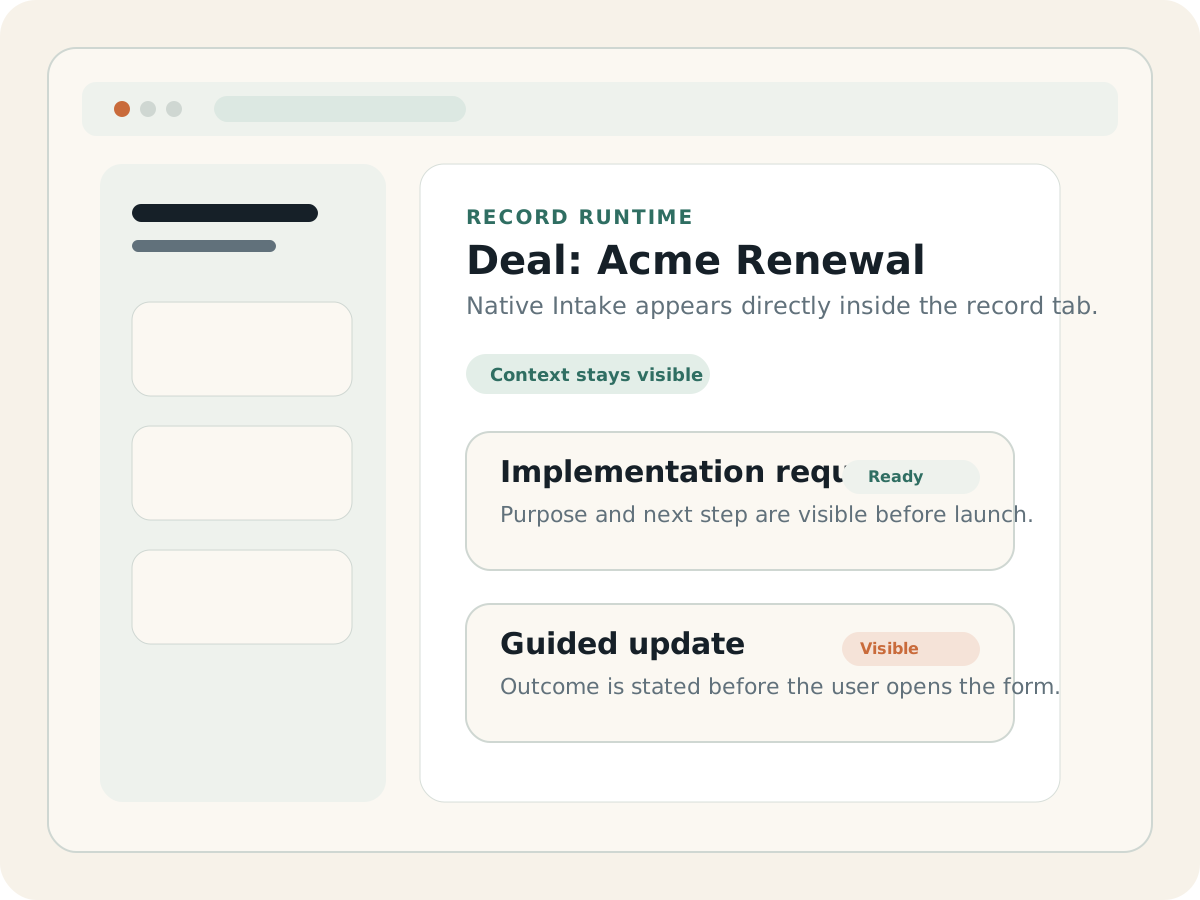
Record context visibleAvailable intake listOutcome stated
Native Intake review dossier
HubSpot record intake
Native Intake gives HubSpot admins one governed way to collect internal requests inside the record. It is built for handoffs, guided updates, and repeatable team requests that need cleaner inputs and fewer follow-up questions.
Live review host: https://native-intake-site.pages.dev. Demo requests are still handled manually through the current guided review path.
Review-host proof
The homepage now treats the live review host like an operational dossier: show the product, show the governing surface, and state the commercial honesty posture without relying on decorative atmosphere to do explanation work.
Runtime first
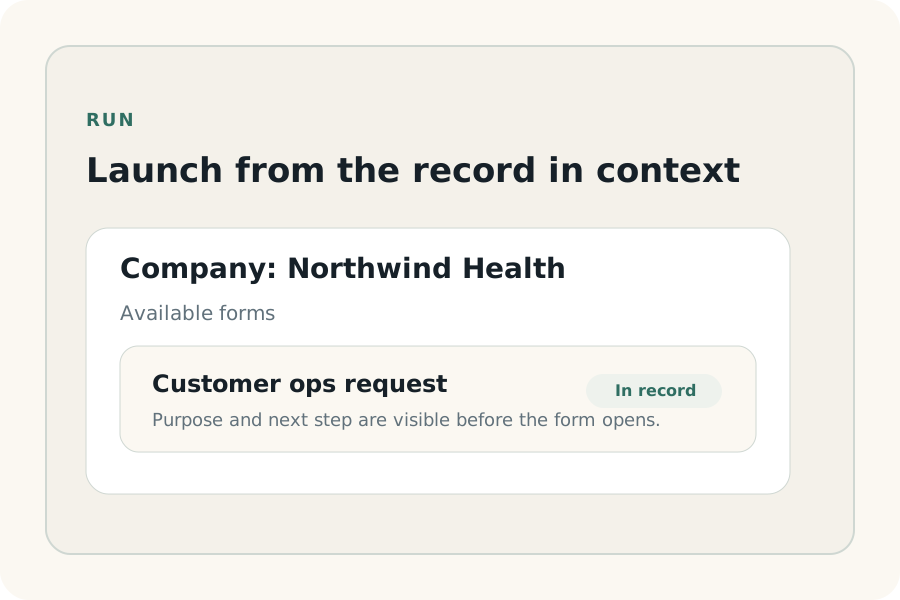
Buyers should see immediately that the request starts from the HubSpot record the team is already using.
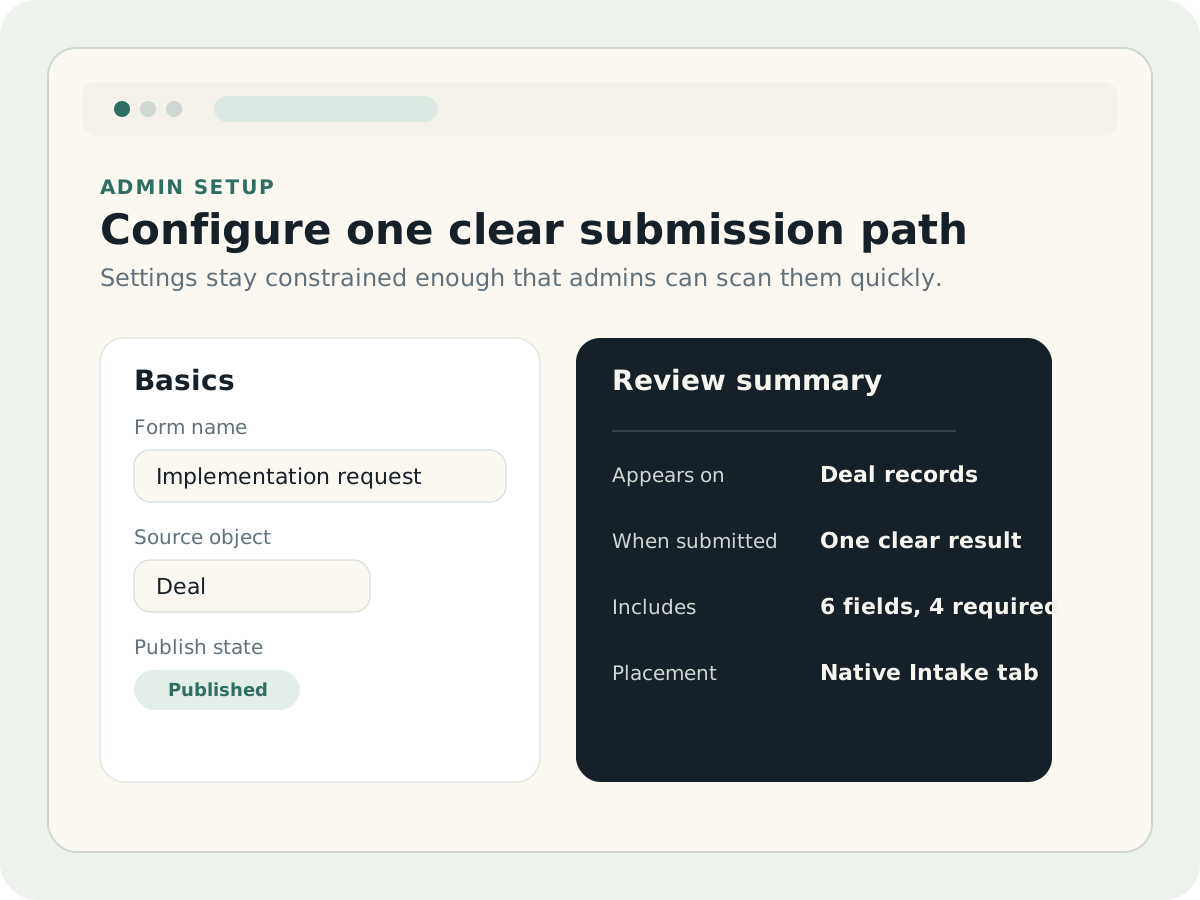
Governed setup
The settings crop earns trust because it shows the admin-controlled boundary instead of implying a broad builder.
Honest review host
The site stays explicit that this is the live `pages.dev` review host and that the current demo path is manual rather than self-serve.
Why teams look for this
Teams close a deal, spot a record problem, or need an internal handoff, then fall back to notes, ad hoc property edits, Slack, or an external form. Native Intake exists to replace that patchwork with one request path tied to the record itself.
Notes get skipped
Properties get edited inconsistently
External forms break context
Native Intake gives teams one consistent way to start internal work without losing record context.
Review sequence
Install the app, configure one intake, launch it from the record, and verify what is published. If a workflow does not fit that sequence, it is probably outside the current launch scope.
01
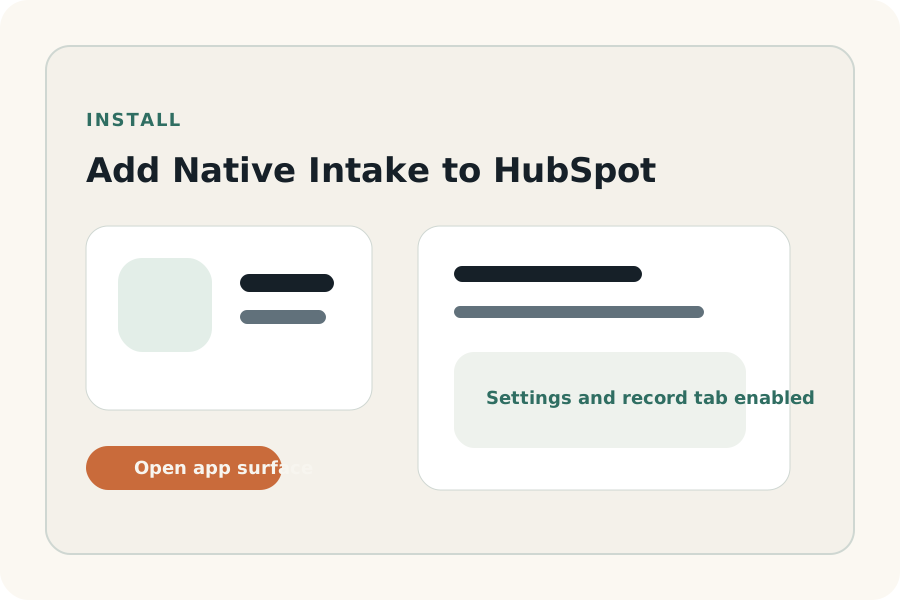
Add Native Intake to HubSpot and open the dedicated admin settings surface.
02
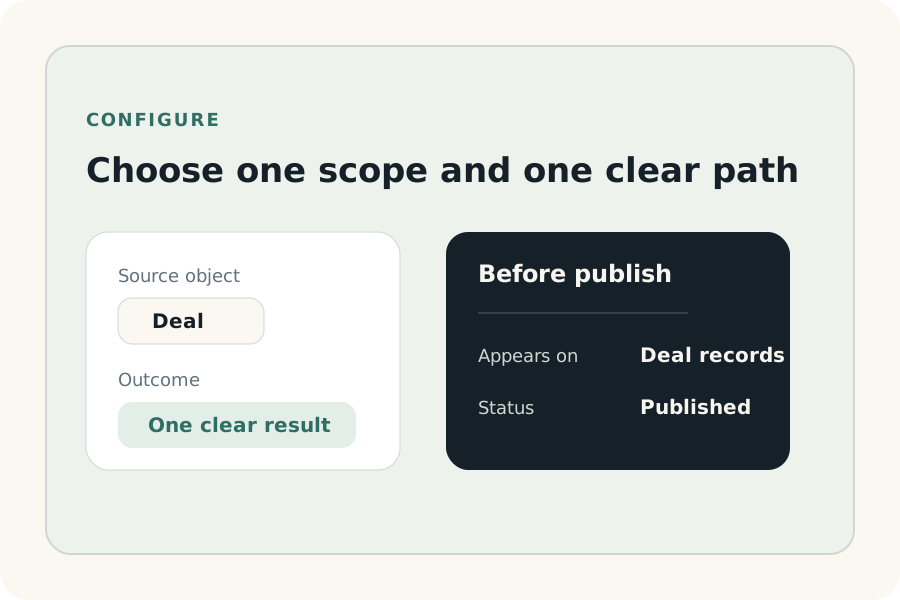
Choose the record type, define the guided fields, and set one clear submission outcome.
03
Users launch the right intake directly from the CRM record they are already working in.
04
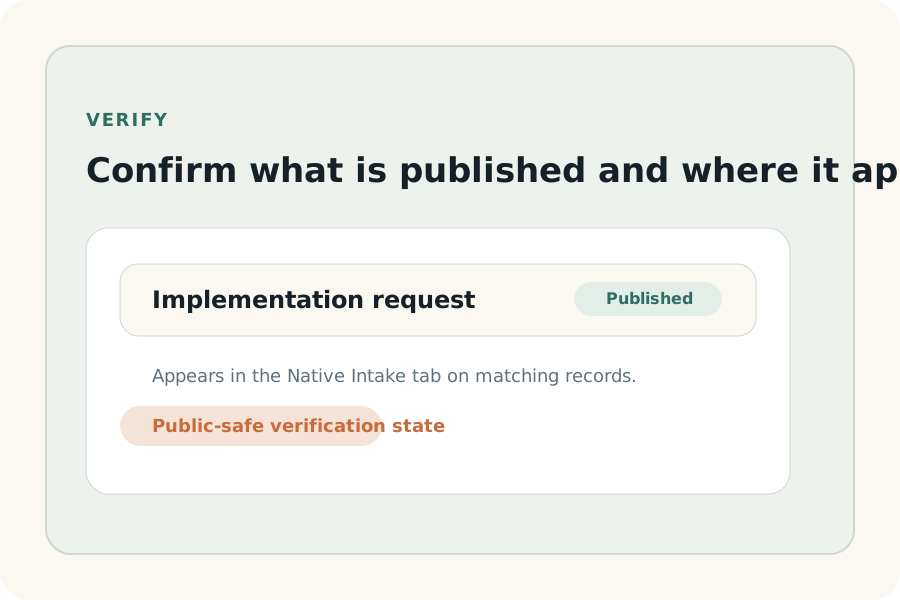
Admins can confirm which forms are published and where they appear.
Fit signals
Native Intake fits best when one team needs one cleaner request path inside HubSpot records, not when the buyer wants a broad internal form builder.
Implementation handoff
Collect the handoff details needed to move a revenue record into the next operational step without depending on notes or side messages.
Internal request
Keep the request attached to the source record so the next team starts from the right context instead of reconstructing it later.
Guided update
Use a narrower intake path when admins need teams to submit structured record changes more consistently.
Partner workflow
Start from one workflow the client already repeats often and assess fit through a guided demo instead of a broad rollout promise.
Admin setup
Admins set the record type, fields, and intended outcome in HubSpot settings. The goal is to make one request path clear and supportable, not to spin up a broad form system.
In-record experience
Users open the intake from the record they are already working in, choose the published request for that record type, and submit the information the next team actually needs.
Trust and control
Native Intake is easier to trust when the workflow stays narrow and the admin state stays legible. The public proof should stay centered on governed setup, in-record launch, and visible publish state.
Proof lane
Each intake is set up for one job, so the request is easier to explain and review.
Proof lane
Admins can verify what is live and where it appears before asking more teams to use it.
Proof lane
The launch path starts with one real workflow instead of implying a broad self-serve rollout.
Request a working review
Bring one workflow that currently lives in notes, Slack, or manual property edits. The goal of the review is simple: decide whether that request belongs in a governed in-record intake path.
Book a demoBest fit for HubSpot admins and ops teams evaluating one governed request path inside records.
Review routes
The current site map stays narrow on purpose. These are the pages that help a reviewer decide what the product is, how it is priced, what it proves today, and how the rollout should be evaluated.
Proof page
See the working-session framing, the real manual request path, and the narrower scope language for the live review host.
Open demo requestDecision page
See the launch packages, who should start with a guided demo, and how Native Intake stays a narrow operational purchase.
Review pricingTrust page
Use the trust page to understand scope, admin control, rollout posture, and what the site is intentionally not claiming yet.
Review trustUtility-doc family
Open the shared document shell for install, support, and trust docs instead of dropping a reviewer into the older expansion-page family.
Open review docsFAQ
No. Native Intake is positioned as a guided internal intake layer for HubSpot records. It is built for repeatable handoffs, requests, and structured updates inside the CRM.
Those workarounds either capture information inconsistently or force users out of record context. Native Intake keeps the request path inside HubSpot and makes the input structure easier to govern.
HubSpot admins, RevOps teams, sales ops, customer ops, and implementation partners who need one controlled way to collect internal requests inside records.
Start with one process your team is tired of handling manually, such as an implementation request, an internal handoff, or a guided record update.
No. Native Intake is the structured input layer. It is best used when teams need cleaner internal capture inside HubSpot before broader downstream work begins.