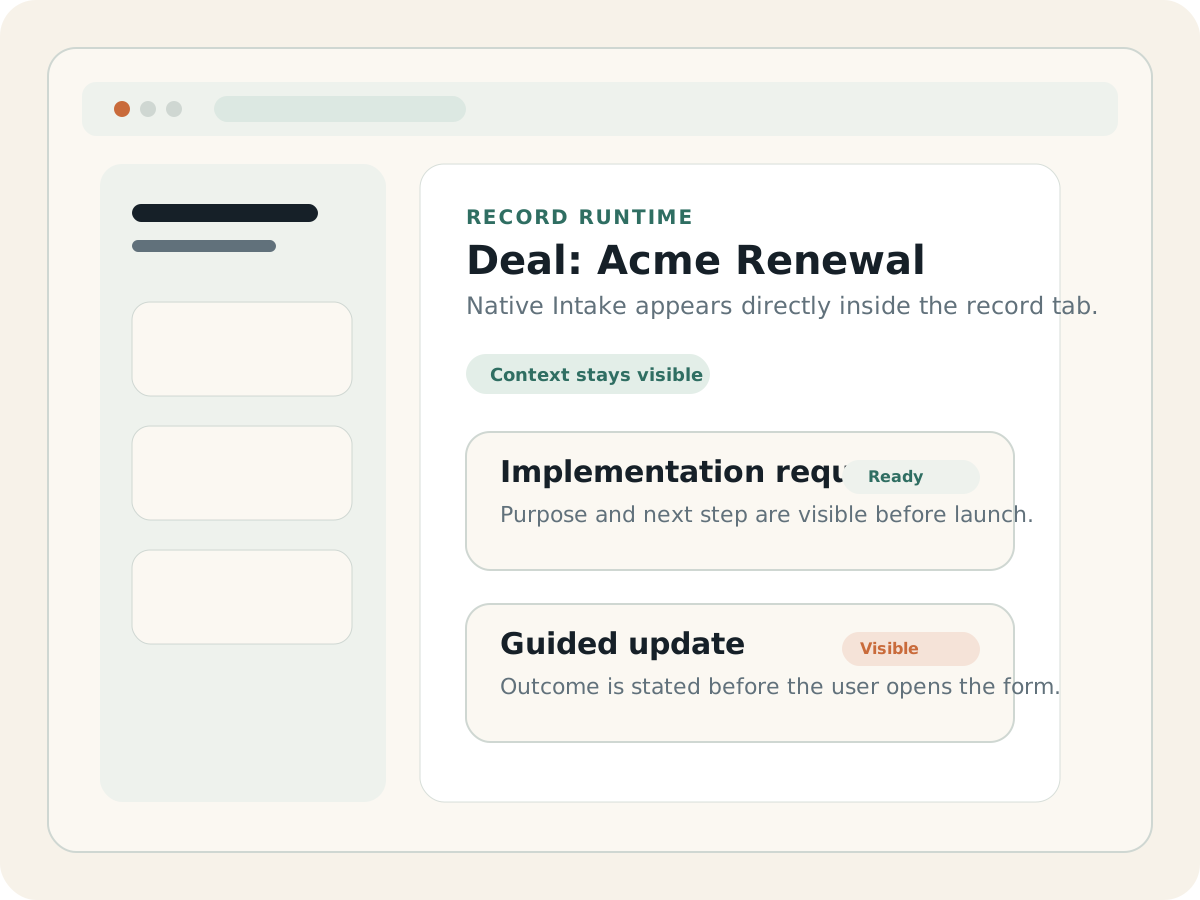
Record context visibleAvailable intake listOutcome stated
HubSpot internal forms
Teams usually search for HubSpot internal forms when public forms, manual notes, and improvised property edits stop working for internal handoffs. Native Intake adds a guided internal intake layer inside HubSpot records so the request starts where the work already lives.
Why this query exists
HubSpot teams looking for internal forms are usually trying to replace one of three patterns: public-facing forms used for private work, free-text notes that skip structure, or heavier request systems that pull people away from the record.
HubSpot forms are centered on external capture, not in-record requests.
Notes and manual property edits make internal intake inconsistent.
Repurposed tickets add overhead before the request is even clear.
Native Intake is positioned for the narrower job: guided internal intake inside the CRM record, with one clear outcome per form.
In-record runtime
The runtime experience is aimed at teams already working inside a deal, company, contact, or ticket. Users launch the right intake from record context, understand the stated outcome before submit, and stay inside HubSpot while completing the request.
Admin setup
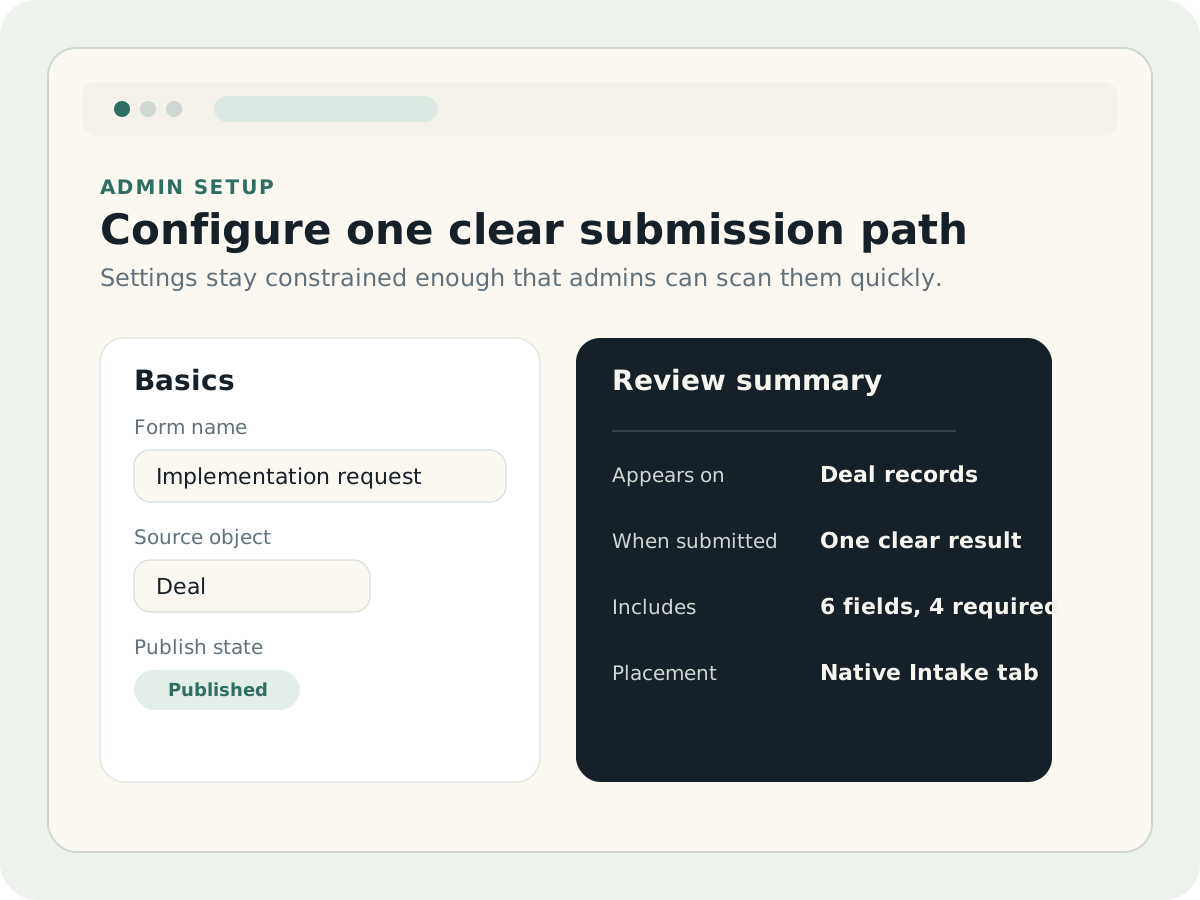
Native Intake is not presented as an open-ended internal form builder. Admins configure the intake for the right record type, choose one clear submission outcome, and keep publish state visible so rollout stays legible.
Why this is a better fit
This page should help the searcher decide whether they need a true internal-request layer inside HubSpot or whether they are really looking for a broader external form tool.
Operational fit
Native Intake is framed for internal record workflows, so the page contrasts with broad HubSpot forms language instead of trying to replace it.
Operational fit
The product story stays centered on guided structure, visible outcomes, and record-context execution rather than on informal notes and follow-up cleanup.
Operational fit
The goal is to add a governed intake layer before teams create extra process weight for simple internal handoffs.
Explore next
These pages are designed to turn specific search intent into the same qualified next step: a demo for one real internal workflow.
Start with one process
The strongest first rollout is a high-friction internal handoff that still lives inside HubSpot records today. Use the demo to validate whether a narrower guided intake layer fits that job.
Book a demoBest fit for HubSpot teams that want internal request structure inside records, not another standalone form builder.
FAQ
No. The public positioning stays narrow: guided internal intake inside HubSpot records for handoffs, requests, and structured record updates.
HubSpot forms remain the native answer for external capture. This page is about internal request workflows that need record context and a governed input path.
Start with one repeatable internal process such as an implementation request, onboarding handoff, exception review, or guided record update.
Launch-safe proof stays narrower than a full runtime audit trail. The public page proves the in-record launch path, publish-state visibility, and one stated outcome per form; deeper post-submit behavior should be confirmed in the demo.