Alternatives
Considering Inside Forms? Start here if you want a narrower in-record handoff workflow.
This page is for HubSpot buyers who already know the internal forms category and want to compare a broader builder against a more focused in-record intake path. Native Intake is positioned for teams that want one repeatable internal workflow to start cleanly inside the record.
- Built for one repeatable internal handoff or request path at a time.
- Keeps the evaluation tied to record context, rollout clarity, and admin control.
- Best for buyers deciding whether they need a narrower first workflow instead of a broader forms layer.
Use this page when the team already knows the category and needs a tighter starting point.
What buyers are evaluating
The category is real, but the positioning choices matter.
This comparison exists because HubSpot teams already understand the problem. The more important question is which product story matches the workflow they actually need to govern first.
Broad internal-form language can blur the first use case.
Workarounds still create context switching and cleanup work.
Admins need a path they can explain and verify without a long feature tour.
Native Intake is designed to win on clarity, trust, and a narrower internal handoff story instead of on the broadest possible form-builder framing.
Where Native Intake is strongest
Choose the narrower route when rollout clarity matters most.
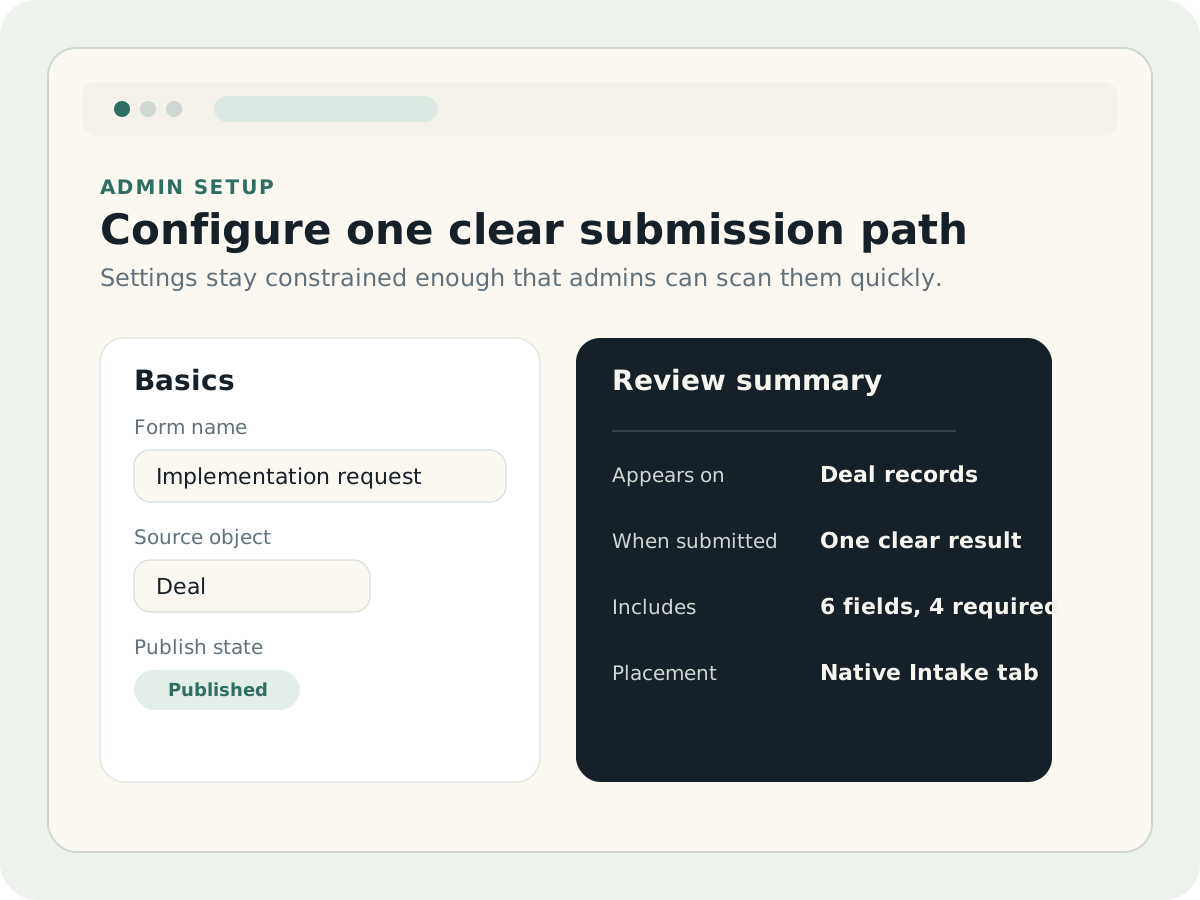
Native Intake is strongest when the team wants one governed internal workflow inside HubSpot records, not a sprawling internal-builder story. The page keeps the fit centered on record-context launch, clear intended outcomes, and a rollout path the team can evaluate without a long feature checklist.
- The request starts from the record where work already happens.
- Each form is framed around one clear outcome.
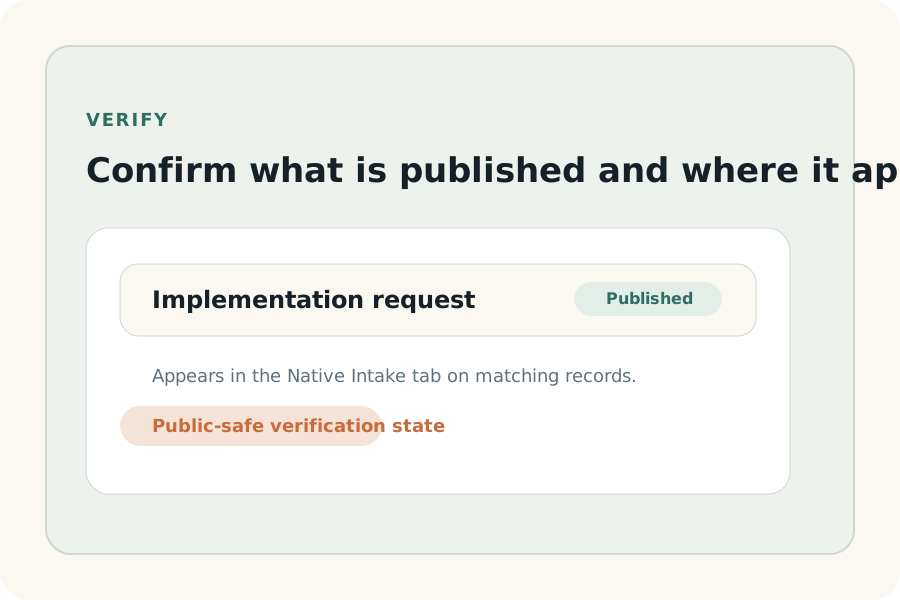
- Admins can review publish state and rollout clarity before launch.
What the comparison should stay honest about
Use a positioning frame, not an unsupported feature checklist.
This page is intentionally bounded around publicly supportable differences. It does not claim exhaustive parity or breadth. Instead, it helps the buyer decide whether they want a sharper internal-handoff pilot or a broader internal-form framing.
- Do not treat this page as a full product-spec comparison.
- Do use it to evaluate category fit and rollout posture.
- Keep the decision tied to one real process the team wants to improve first.
Comparison frame
How to read the choice without over-claiming.
A truthful comparison for launch should stay qualitative and operational. The point is to help buyers understand why Native Intake exists, not to manufacture a broad feature war.
Operational fit
Choose Native Intake for the narrower wedge
The product story is guided internal intake inside HubSpot records, with one clear outcome per form and a governed rollout posture.
Operational fit
Expect a more bounded implementation conversation
The primary CTA stays demo-led because the best fit is a real internal handoff the team is ready to standardize, not open-ended experimentation.
Operational fit
Use the page to qualify fit fast
If the buyer wants a broad internal form builder story, this page should make that mismatch obvious early instead of hiding it.
Explore next
Follow the more specific intent path.
A comparison query is usually only one step in the evaluation path. These links move the buyer toward the launch decision page and the narrower search term the site is built to own first.
Qualify the fit
Bring one internal handoff into the evaluation.
The cleanest next step is to review one real process the team wants to tighten inside HubSpot records. That keeps the comparison grounded in buyer behavior instead of abstract feature shopping.
Book a demoThe strongest conversion path here is a qualified demo request tied to one governed internal workflow.
FAQ
Answer the few objections that block evaluation.
Is this page claiming full feature parity with Inside Forms?
No. The page stays at the positioning level and avoids unsupported feature-matrix claims. It is meant to help buyers judge category fit and rollout style.
What is the honest reason to compare these products?
Both pages serve buyers who already believe internal forms in HubSpot are a real category. Native Intake tries to win those buyers with a narrower internal-handoff story.
When is Native Intake the better fit?
It is the better fit when the team wants guided internal intake inside records, one clear intended outcome per form, and a pilot that starts with one high-friction workflow.
What should the buyer do next?
Bring one internal request process into the demo conversation so the evaluation stays tied to a measurable operational problem.