Use-case hub
Start with the internal workflow your team is tired of handling manually.
Native Intake is not meant to win with maximum breadth. It is meant to win when one recurring handoff or guided record-side request already creates cleanup work inside HubSpot and needs a narrower governed path.
- Best fit starts with one repeatable process, not a platform-wide rollout.
- High-intent workflows usually already live inside a deal, contact, company, or ticket.
- The site should help buyers self-qualify before they ask for a broader builder.
Choose the workflow that already deserves structure.
Why use-case pages matter
A narrow launch site converts better when buyers can see themselves quickly.
Use-case framing is the clearest bridge between product positioning and qualified demand. It turns abstract category copy into workflows that already feel expensive, messy, or hard to trust.
Broad positioning makes good buyers spend too long guessing fit.
Messy internal requests usually feel urgent in one team before they feel urgent everywhere.
A launch funnel should qualify toward one concrete pilot, not broad experimentation.
The best-fit page should help the right buyer pick one workflow and move toward a demo with real operational context.
Implementation and onboarding
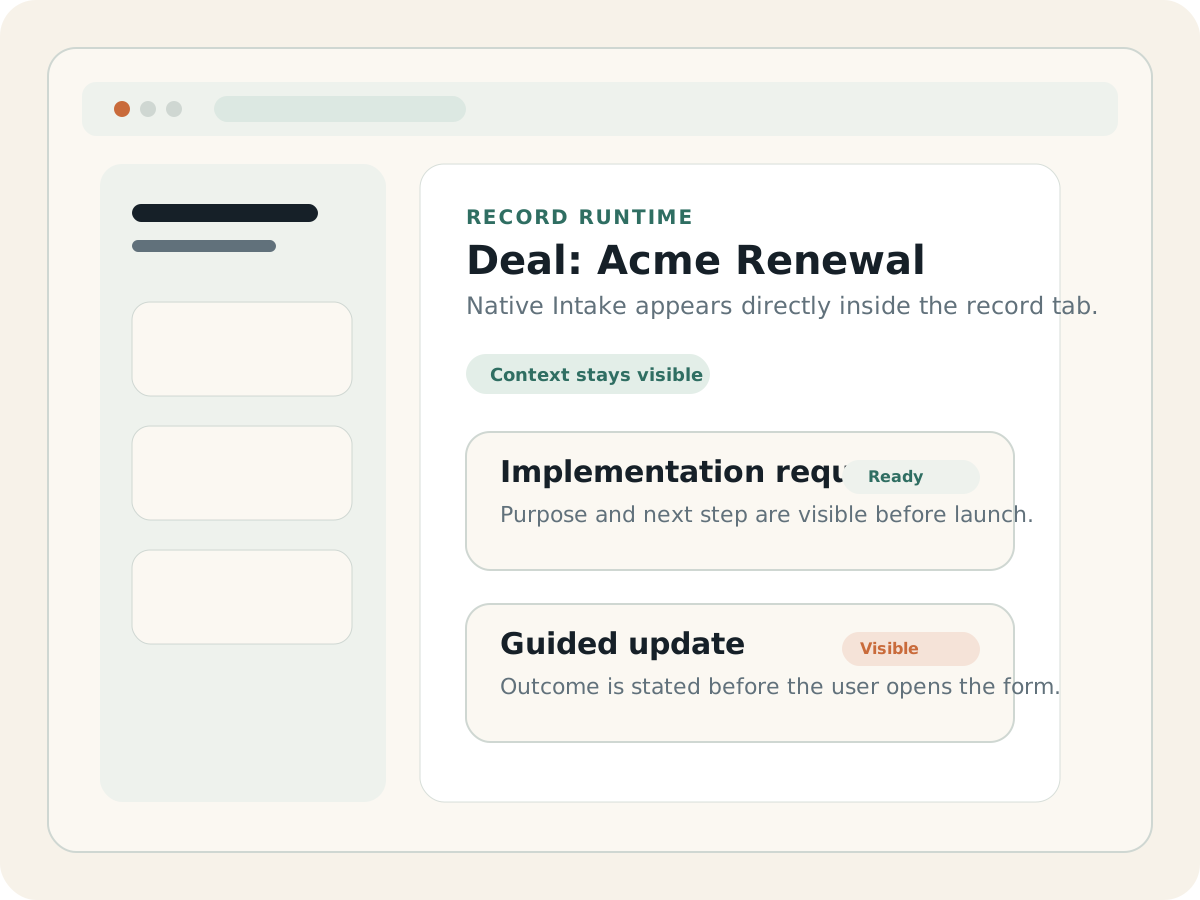
Use Native Intake when the handoff starts from revenue-facing records.
Implementation requests, onboarding transitions, and post-sale handoffs are strong launch candidates because the source context already lives in the CRM record and the operational next step is easy to name.
- Implementation request from a deal.
- Onboarding handoff from a closed-won record.
- Internal exception or deal-desk review when the record context matters.
Ops and support workflows
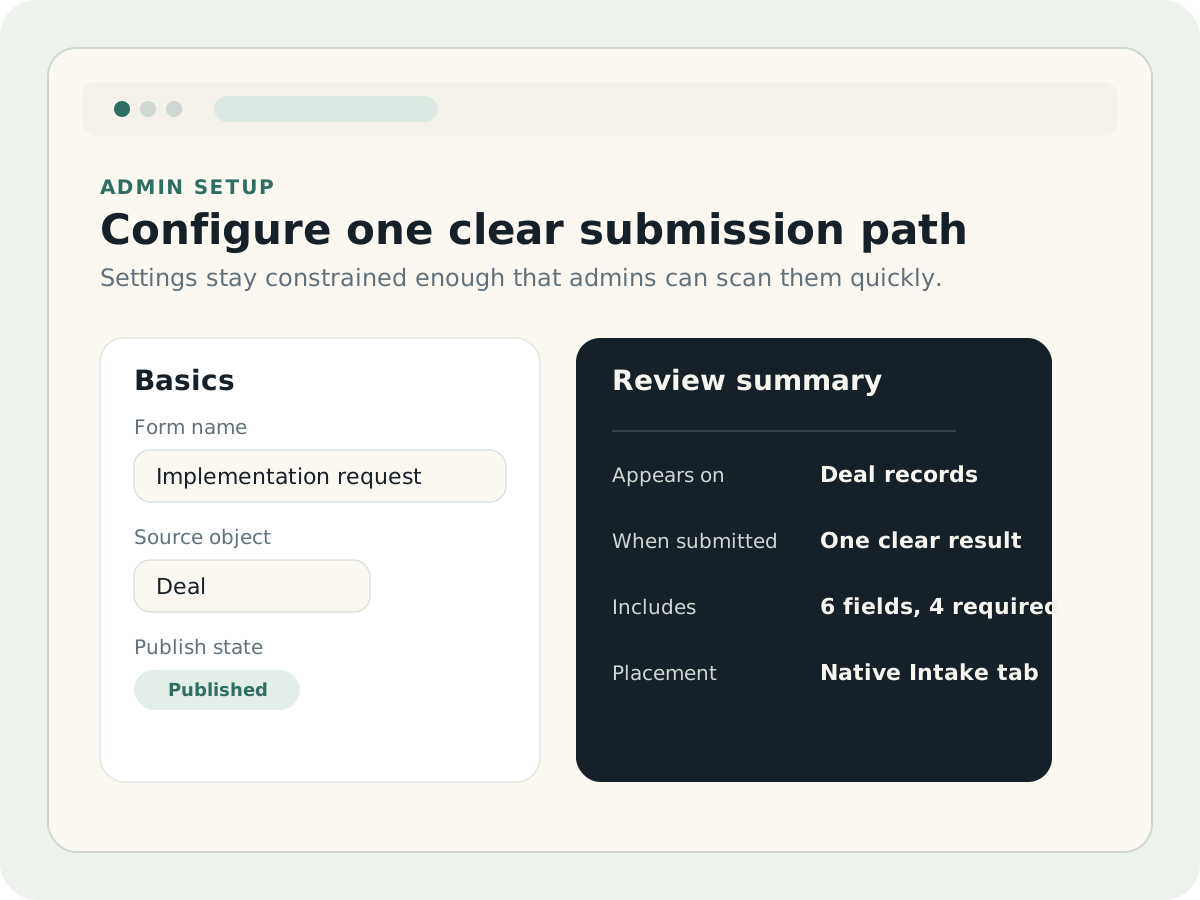
Keep customer ops requests and guided updates inside HubSpot.
The product is also a fit when teams need a more governed request path from a contact, company, or other active record instead of relying on notes, manual field edits, or an off-record request form.
- Customer ops request from a contact or company.
- Guided update of approved fields on an active record.
- Structured record-side intake before heavier downstream work begins.
How to qualify fit
Choose Native Intake when the workflow has these four traits.
The launch wedge is strongest when the workflow is narrow, repeated, record-tied, and commercially painful enough to justify cleanup reduction.
Operational fit
The request starts from a CRM record
If the user already works inside the record before the handoff happens, Native Intake has a stronger reason to exist than an external form or side channel.
Operational fit
The team repeats the process often
A one-off edge case is not the right launch motion. A recurring request path that creates operational drag is.
Operational fit
The desired outcome is easy to state
The public product story is built around one clear intended outcome per form, so the use case should match that constraint.
Operational fit
The buyer is willing to pilot one workflow first
A narrow first rollout keeps support low, expectations honest, and conversion tied to a real operational pain point.
Explore next
Move from workflow fit to buying and trust paths.
Once the buyer recognizes the workflow, the next question is how Native Intake is packaged and how carefully the launch promise is framed.
Choose the pilot
Bring the highest-friction internal workflow to the first demo.
The fastest path to fit is a repeatable handoff or guided update your team already wants to clean up inside HubSpot. That gives the launch funnel a measurable conversion path instead of abstract interest.
Book a demoBest first pilots are implementation requests, onboarding handoffs, ops requests, or guided record updates with clear ownership.
FAQ
Use-case questions that should get answered before a demo.
Should a team start with multiple workflows at launch?
No. The cleanest launch path is one governed workflow first. That makes it easier to validate fit, support the rollout, and keep the public promise narrow.
Which records are best for the first pilot?
Start where the handoff already happens in HubSpot today, such as a deal, contact, company, or ticket workflow the team repeats often and currently handles inconsistently.
What if the team wants a general internal form builder?
That is a signal to keep evaluating broader tools. Native Intake is positioned for narrower guided internal intake inside HubSpot records.
What should the buyer prepare before requesting a demo?
Bring the current workaround, the record type involved, and the single operational outcome the workflow needs to produce.